Most people pick tint by how dark it looks. That is the wrong place to start. The heat you feel through the glass on a July afternoon on Route 8 is mostly infrared, not visible light, and how much of it a film stops depends on what the film is made of. That is the real difference between dyed, carbon and ceramic.
| Dyed | Carbon | Ceramic | |
|---|---|---|---|
| Infrared (heat) rejection | Low, roughly 5–20% | Medium, roughly 40–55% | High, roughly 60–95%+ depending on the film |
| UV protection | Good | Very good | Very good |
| Color over time | Can fade or turn purple | Stable, matte look | Stable |
| Phone/GPS signal | No interference | No interference | No interference |
| Price | Lowest | Middle | Highest |
The ranges above come from manufacturer and industry figures and vary between product lines. When you compare specific films, look at the total solar energy rejected (TSER) and infrared rejection numbers on the spec sheet, not just the shade.
The tint percentage you hear about (5%, 20%, 35%, 50%) is visible light transmission (VLT): how much visible light gets through. It says almost nothing about heat. A light ceramic film can reject more total solar energy than a very dark dyed film, because ceramic particles are built to block infrared while letting visible light pass.
That means you can have a cool cabin and still see clearly at night, which matters on unlit back roads in Bath, Copley or Norton.
Under Ohio Administrative Code 4501-41-03, front side windows must let in at least 50% of light (with a 3% tolerance) and the windshield at least 70%. Rear side and back windows can be any darkness if the car has two outside mirrors. Full details are in our Ohio window tint law guide.
That 50% front limit is the reason ceramic makes so much sense here. You cannot go dark on the front windows to fight heat, so the film has to do the work. A 50% ceramic film on the fronts with something darker in the back gives you a legal, comfortable car.
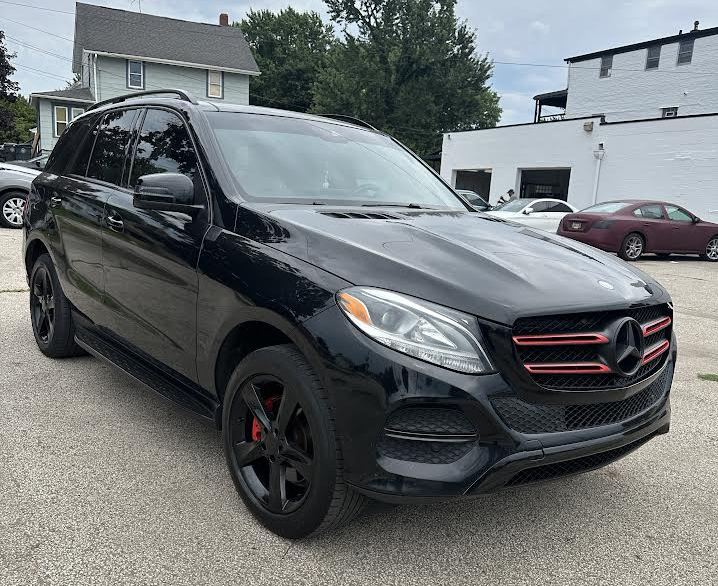
Car window tint at our shop starts at $300 for most sedans. Price goes up with the size of the vehicle (an SUV or minivan has more glass) and with the film: dyed is the most affordable, carbon is in the middle, and ceramic is the premium option. Send us your year, make and model and the film you are interested in, and we will give you an exact number. Our car tint page has more detail.
For homes and businesses, see commercial window tint.
After install, wait 3 to 5 days before rolling the windows down so the film can cure. A little haze or a few water pockets in the first week are normal.
Tell us your vehicle and which film you are leaning toward.