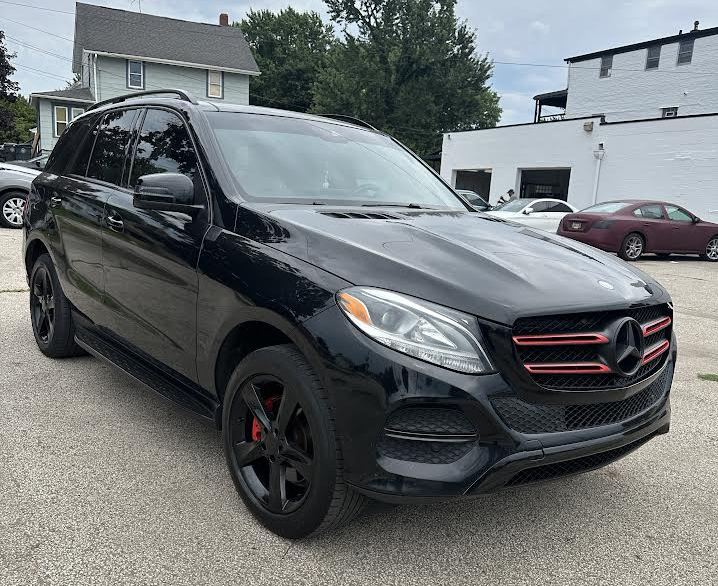
Car makers have been putting chrome on window trim, grilles and badges for decades. Today most people want the opposite. A chrome delete covers all that bright work in black film, so the whole car reads cleaner and more modern, without a full wrap.
You choose how far to go. Common pieces include:
Every piece is wrapped individually and the edges are tucked so it looks like it came that way from the factory.
Chrome trim does not love Northeast Ohio winters. Road salt and the de-icing brine used on Summit County roads leave a chalky film on bright trim, and older chrome can pit, haze or start to peel. A vinyl delete covers it, protects it from that salt, and looks better than tired chrome. When the film comes off, the trim underneath has been shielded the whole time.
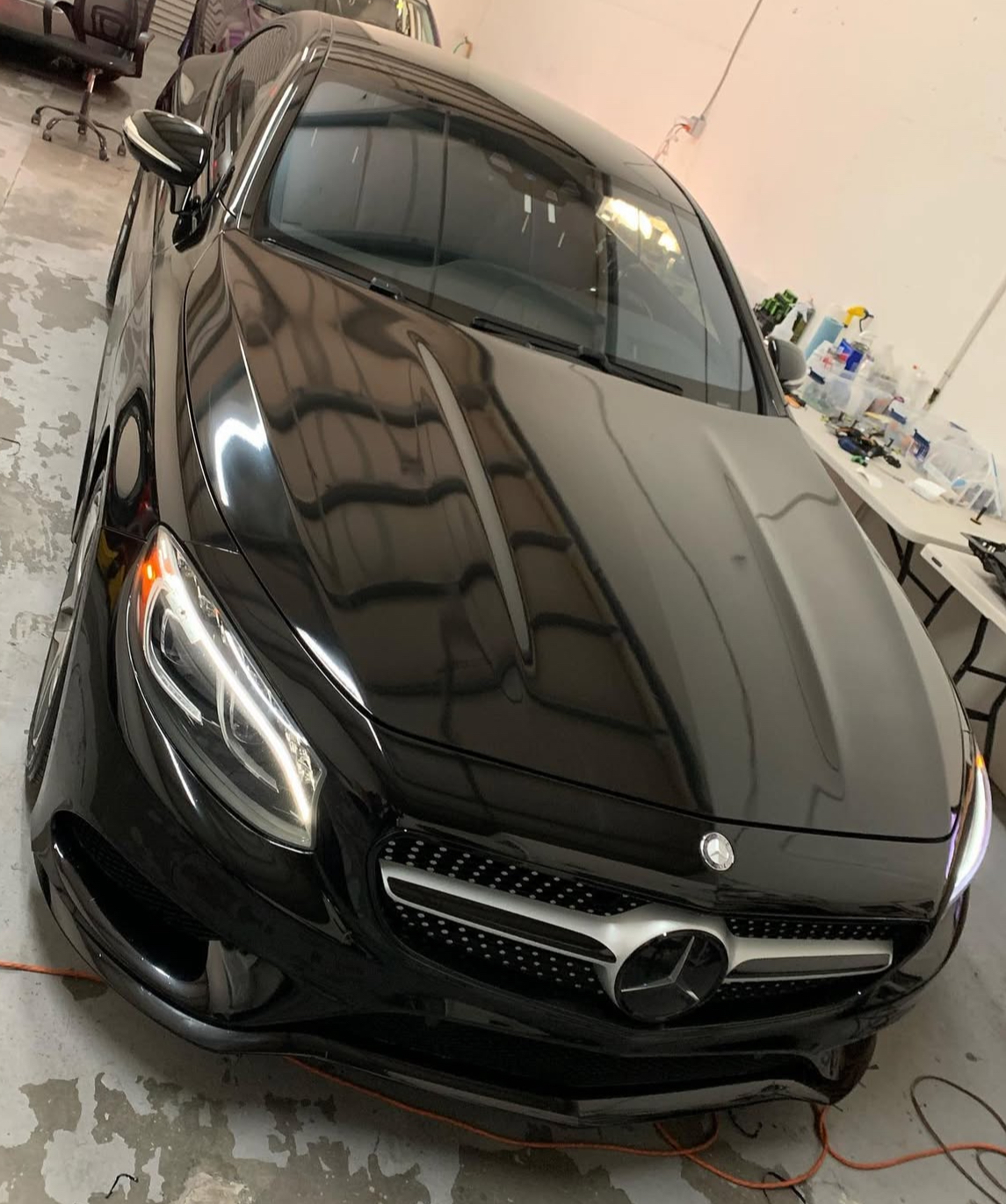
You are not limited to black. Some customers delete chrome to a body color, a carbon fiber texture, or a contrasting accent.
A chrome delete is priced per vehicle because the amount of trim varies so much. A compact sedan with window trim only is a small job. A full-size truck or luxury SUV with a huge grille, badges, mirror caps and handles takes much longer.
Pairing it with something else? A chrome delete is often added to a full wrap, a spray wrap or window tint in the same visit.
| Vinyl chrome delete | Paint or powder coat | Replace with black OEM trim | |
|---|---|---|---|
| Reversible | Yes | No | Yes, if you keep the old parts |
| Time | Usually 1 day or less | Days; parts removed | Depends on parts availability |
| Cost | Lowest | Moderate to high | Often highest |
| Lifespan | About 4–6 years | Long | Life of the part |
For most drivers, vinyl wins: it is the quickest, it costs the least, and you can go back to chrome anytime.
Send a few photos and tell us what you want deleted.